


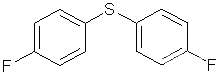
Bis(4-fluorophenyl) disulfide is a diaryl disulfide in which both phenyl rings are para-substituted with fluorine. The electron-withdrawing effect of the two fluorine atoms strengthens the S–S bond and lowers the electron density on the aromatic rings, giving the compound enhanced oxidative and thermal stability compared to diphenyl disulfide. It is freely soluble in dichloromethane, chloroform, acetone and hot ethanol, sparingly soluble in methanol, and practically insoluble in water (< 10 mg L⁻¹ at 25 °C). Commercial material is supplied at ≥98 % purity and remains stable for ≥2 years when stored at 2–8 °C under inert atmosphere.
Key Physicochemical Data:
Melting point: 49–51 °C
Boiling point: 141 °C / 1 mmHg
Density: 1.35 g cm⁻³ (20 °C, solid)
Flash point: 144 °C (closed cup)
Log P (octanol/water): 4.2 (predicted)
Typical Uses:
Reagent for mild, chemoselective sulfenylation of Grignard or organozinc reagents, delivering 4-fluorophenyl thio-ethers used in pharmaceutical synthesis.
Precursor to 4-fluorophenylsulfenyl chloride (FPS-Cl) generated in situ with SO₂Cl₂, useful for regioselective sulfenylation of indoles and other electron-rich heteroarenes.
Building block for fluorinated thio-aryl monomers that impart high refractive index and UV resistance to polyarylene sulfide films and optical wave-guide cladding.
Quality Specification (Commercial Grade):
Purity (GC): ≥98 %
Water content (KF): ≤0.3 %
Free acid (as HCl): ≤0.1 %
Residue on ignition: ≤0.1 %
Heavy metals: ≤20 ppm
Hazard Statement:
Causes skin and eye irritation (H315 + H319). Avoid inhalation of dust; use gloves, goggles and adequate ventilation. Store in a cool, dry place away from oxidants and bases. SDS available on request.


